Why I Talk Nonprofits Into Doing Events

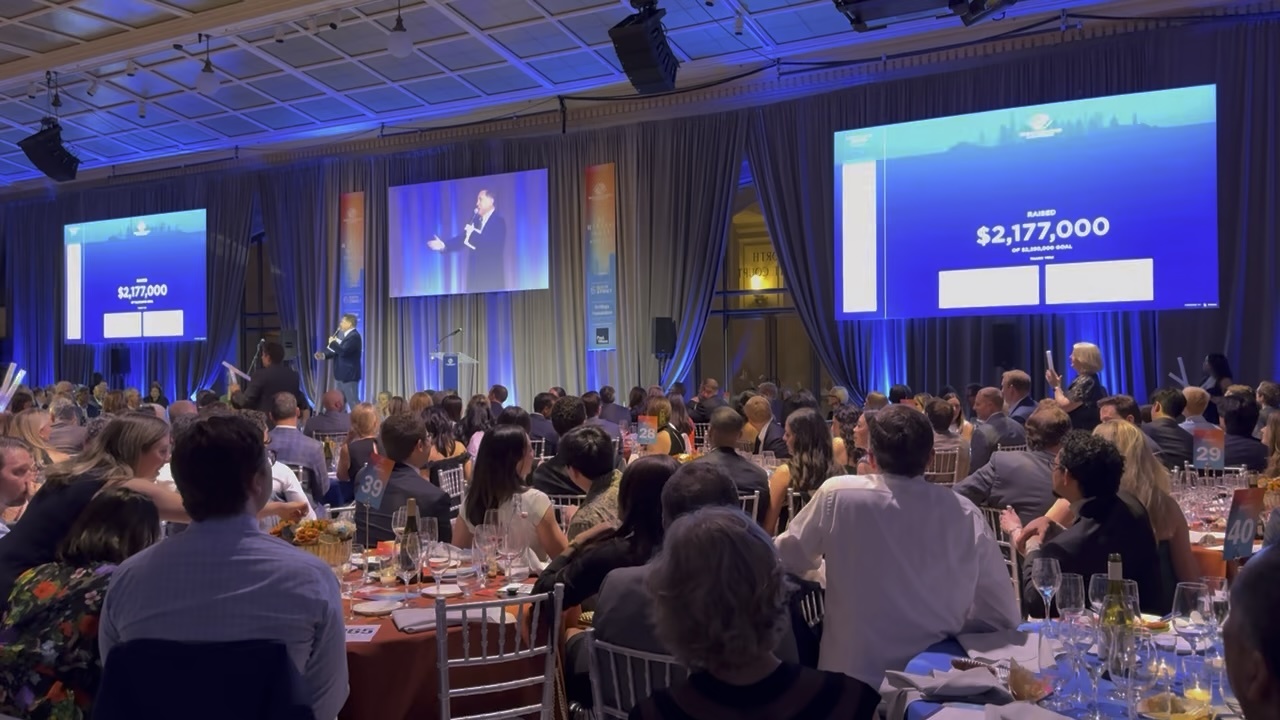
"I'd rather not do an event."
The work is enormous and the payoff often disappoints. But the event most people picture when they say that has very little in common with the one I'd actually argue for.
Most events disappoint
Most are a party with an ask bolted on, which is a poor use of everyone's time. The trouble usually starts with how the event is expected to make money: ticket sales. At ~$400 a seat, you'd need a thousand guests to gross $400,000, and that's before you've paid for the room, the food, or anyone's time. Tickets won't get you there.
The money is in sponsorship
Companies will write checks from a few thousand dollars up to $100,000 or more to put their name on your night, and it's worth understanding why. That money comes out of their marketing budget. When a bank sponsors you, it's buying three hours of access to a room full of the people its private wealth team wants to meet. That the check also funds your programs is, to them, a bonus.
What makes great events different
Treat what you spend as marketing. It's the line item nonprofits can never defend to a board, so most spend nothing and stay invisible. An event puts your work in front of the people who can fund it and holds their attention for a few hours, which is exactly what marketing is supposed to buy.
Build the night around your mission. A casino night is fun but tells your guests nothing about what you do. One youth org I worked with built its event (and a full year of campaigns) around a city rising for all: the city was booming, and that boom had to reach the kids and families already there, not just the companies moving in. Guests left understanding the mission without anyone having to spell it out.
Match the tactics to the room. Auctions are the clearest case. A live auction can raise a lot, quickly, but only when enough people can realistically bid. If only a handful of your guests can afford the paddle, you’re leaving everyone else waiting for the night to move on. Know your audience and understand the cost to the flow of the evening of the auction.
Put your board to work. Most members dread calling their friends for money, but bringing those friends to an event is something they'll do proudly. So ask them to fill seats: talk the night up beforehand, show up with their ten people, follow up after. What happens in the room is yours to run.
Sweat the execution. You can do all of the above well and still lose people if the actual event flow isn’t dialed in. A successful event needs attention to detail: good service, great food, and engaging stage speakers. This is also why a smaller event can be the most effective. A modest event run with care will beat a big one held together with tape.
So, are events worth it?
They're hard, and no one stepping away is wrong about the cost. But the event they're declining is an expensive party that raises less than it took to throw. The one I'm describing is a different thing entirely: your mission in front of the people who can fund it, your board filling the room, your sponsors covering the bill. For most organizations, it's the best fundraising opportunity of the year, which makes it well worth the effort.
.png)